Conference Flow
Discover keynotes, panel discussions, and technical tracks across all five days of India Mobile Congress 2024.
ITU CXO Round Table
The ITU TSB Director will meet with senior industry executives to discuss standardization trends. By invitation only
















Beyond Data Residency: Building Trusted Sovereign Digital Infrastructure




CCA Meet

Industry Keynotes: Building the Future at Scale






Telecom's Next Frontier: Advancing Nation-Building through CSR
This roundtable will explore how the telecom and telecom-adjacent ecosystem can use its collective capabilities to support broader nation-building priorities. The discussion will examine opportunities spanning digital access and inclusion, technology skilling, cyber awareness, environmental resilience, e-waste and circularity, disaster preparedness, and translational research and innovation. It will also consider how companies can move beyond fragmented individual CSR investments towards coordinated initiatives, shared capabilities and geographically focused collaborations capable of delivering greater collective impact.






Building the Foundations for 6G (International 6G Symposium)
WMA Meet
Building the Foundations for 6G (International 6G Symposium)









Global Standards: Aligning the World Towards IMT-2030 (International 6G Symposium)







Spectrum for IMT-2030: Preparing for WRC-27 and Beyond (International 6G Symposium)








Robotics and AI Integration in Transforming Industrial Automation
AI, robotics, digital twins, sensors and connected networks are enabling a new generation of intelligent industrial automation. This session will examine how these technologies can improve productivity, quality, safety and operational flexibility, while exploring the connectivity and data foundations required to support adaptive manufacturing. The discussion will also address the barriers to wider adoption, including legacy equipment, fragmented data, cybersecurity, integration complexity and the challenge of extending advanced automation beyond leading factories to mid-sized manufacturers.





The Future of AI Safety: Institutions, Capacity and Cooperation






Digital Defence Games
From 5G Networks to 5G Revenues: The Role of Network Slicing


LSA Meet

The Intelligent Field: AI Across the Network Lifecycle (Bharat Telecom 2026)






From AI-Powered to Autonomous: Building the Self-Driving Telecom Network (Bharat Telecom 2026)





Fireside Chat - Scaling Infrastructure for AI Era

Connected Intelligence - From Smart Hospitals to Intelligent Ecosystems

Digital Infrastructure Supporting the AI Era

India’s Next Advantage: Building Companies the World Needs

If Telecom Is Becoming Tech, Where Are the Women

Last-Mile Network Financing: Towards a Sustainable Model







Scaling Infrastructure for the AI Era (Part A)
AI, cloud and advanced connectivity are driving unprecedented demand for towers, fibre, data centres, power and high-capacity networks. This session will examine the infrastructure, investment and energy requirements needed to support this growth, including the evolving role of distributed tower infrastructure, fibre networks and edge capabilities. The discussion will also consider sustainability, water use, supply-chain resilience and how fast-growing digital markets can build future-ready infrastructure without creating new physical or geographical constraints.






Telecom Product Manufacturing on Scale
Building a globally competitive telecom manufacturing ecosystem requires capabilities that extend well beyond final assembly. This session will explore the evolution of telecom manufacturing across product design, components, testing, certification, interoperability, security and lifecycle support, while examining the impact of supply-chain concentration and diversification. The discussion will consider how emerging manufacturing bases can deepen domestic value creation, strengthen trusted-supplier capabilities and build the credibility required to serve global telecom markets.





Scaling Infrastructure for the AI Era (Part B)
AI, cloud and advanced connectivity are driving unprecedented demand for towers, fibre, data centres, power and high-capacity networks. This session will examine the infrastructure, investment and energy requirements needed to support this growth, including the evolving role of distributed tower infrastructure, fibre networks and edge capabilities. The discussion will also consider sustainability, water use, supply-chain resilience and how fast-growing digital markets can build future-ready infrastructure without creating new physical or geographical constraints.




Intelligent RAN for Smart and Adaptive Connectivity (Part A)
Intelligent RAN is bringing AI-driven optimisation into radio networks, enabling more adaptive management of traffic, interference, demand and energy consumption. This session will examine the technical and economic value of AI-enabled RAN, alongside the evolution of open and software-defined architectures. The discussion will consider how operators can address integration, interoperability, operating-model and skills requirements while building more efficient, reliable and future-ready networks in preparation for the transition towards 6G.







Intelligent RAN for Smart and Adaptive Connectivity (Part B)
Intelligent RAN is bringing AI-driven optimisation into radio networks, enabling more adaptive management of traffic, interference, demand and energy consumption. This session will examine the technical and economic value of AI-enabled RAN, alongside the evolution of open and software-defined architectures. The discussion will consider how operators can address integration, interoperability, operating-model and skills requirements while building more efficient, reliable and future-ready networks in preparation for the transition towards 6G.








Unified Edge and Cloud for the Next AI Shift (Part A)
Computing is moving from centralised cloud environments towards a continuum spanning devices, edge locations, regional hubs and hyperscale infrastructure. This session will explore how low-latency requirements, AI inference, data sovereignty and distributed workloads are reshaping where computing takes place, while examining the role telecom operators can play through their networks, fibre and distributed infrastructure. The discussion will also consider how smaller cities can emerge as commercially viable regional compute hubs.






Unified Edge and Cloud for the Next AI Shift (Part B)
Computing is moving from centralised cloud environments towards a continuum spanning devices, edge locations, regional hubs and hyperscale infrastructure. This session will explore how low-latency requirements, AI inference, data sovereignty and distributed workloads are reshaping where computing takes place, while examining the role telecom operators can play through their networks, fibre and distributed infrastructure. The discussion will also consider how smaller cities can emerge as commercially viable regional compute hubs.




Session 1: Building the Technology Foundation for Zero-Touch Networks
Telecom networks are progressing from rule-based automation towards systems capable of configuring, optimising and healing themselves with limited human intervention. This session will explore the evolution of autonomous networks, including the use of AI-driven closed loops for fault management, energy optimisation and service assurance. It will also examine the operational barriers to end-to-end autonomy, such as fragmented data, legacy systems and multi-vendor environments, alongside the governance and accountability requirements for machine-led decisions affecting critical services.




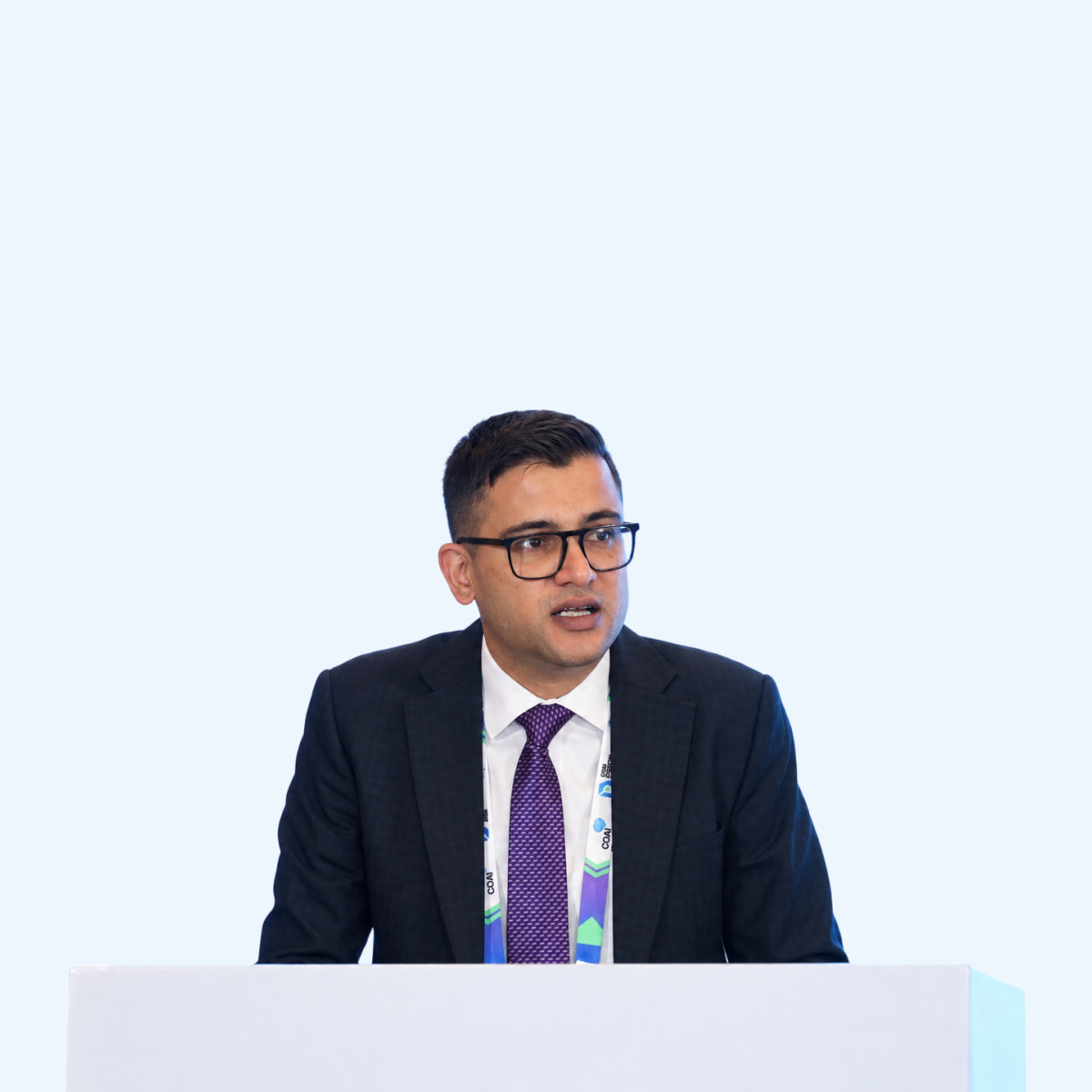

Spectrum Landscape : Navigating the Present, Shaping the Future



Session 2: Inherent Operational Advantages
Telecom networks are progressing from rule-based automation towards systems capable of configuring, optimising and healing themselves with limited human intervention. This session will explore the evolution of autonomous networks, including the use of AI-driven closed loops for fault management, energy optimisation and service assurance. It will also examine the operational barriers to end-to-end autonomy, such as fragmented data, legacy systems and multi-vendor environments, alongside the governance and accountability requirements for machine-led decisions affecting critical services.






5G Monetization Models, Impediments & QoE (Part A)
As 5G adoption accelerates, operators are exploring new monetization opportunities beyond traditional connectivity. This session will examine emerging models such as premium connectivity, network slicing and differentiated services, while addressing key impediments including ecosystem complexity, customer willingness to pay and technology maturity. It will also explore how improved QoE can help operators demonstrate value and unlock sustainable 5G revenues.





Session 3: Overcoming the Barriers to Network Autonomy
Telecom networks are progressing from rule-based automation towards systems capable of configuring, optimising and healing themselves with limited human intervention. This session will explore the evolution of autonomous networks, including the use of AI-driven closed loops for fault management, energy optimisation and service assurance. It will also examine the operational barriers to end-to-end autonomy, such as fragmented data, legacy systems and multi-vendor environments, alongside the governance and accountability requirements for machine-led decisions affecting critical services.




5G Monetization Models and Impediments (Part B)
As 5G evolves beyond deployment and coverage, the focus is shifting towards sustainable commercial value from advanced capabilities such as fixed wireless access, private networks, network slicing and programmable services. This session will explore how operators can turn these capabilities into scalable propositions across enterprise, public-sector, agriculture and healthcare use cases, while examining the adoption, integration, device economics and business-model challenges that continue to limit wider commercialisation.




Bharat Telecom 2026
Policy as the Blueprint for Viksit Tech – Defining Priorities for the Next Two Decades (Viksit Tech 47)






Building the SatCom Policy Foundation
As satellite communications move from policy development towards commercial deployment, spectrum, authorisation, infrastructure readiness and regulatory coordination are becoming critical to market formation. This session will examine the policy and institutional foundations required to create investment-ready SatCom markets, including spectrum coordination, market access, ground infrastructure, security and interoperability with terrestrial networks. The discussion will also consider the broader ecosystem opportunities emerging across terminals, manufacturing, components, software and services.






Direct-to-Device: Powering the Next Wave of Connectivity
Direct-to-Device satellite connectivity is extending mobile services to locations beyond the reach of terrestrial networks, with applications evolving from messaging and emergency communications towards voice, data and IoT services. This session will explore the technology, spectrum, device, network and commercial factors that will determine whether Direct-to-Device becomes a mainstream component of mobile connectivity. The discussion will also examine operator–satellite partnerships, service economics and the role of NTN standards in enabling scale.


Converging Satellite and Terrestrial Networks
Non-Terrestrial Networks are evolving from an alternative connectivity layer into an integrated extension of terrestrial communications infrastructure. This session will explore how satellite and terrestrial systems can work together across GEO, MEO and LEO architectures to extend coverage, improve resilience and support continuous connectivity. The discussion will focus on orchestration, mobility management, interoperability, service assurance and ecosystem coordination, while examining what is required for NTN to become a scalable component of future 5G and 6G networks.





From Coverage to Business Outcomes in Satellite Communications
The next phase of satellite communications is increasingly centred on business outcomes rather than connectivity alone. This session will examine where enterprises and public-sector users derive measurable value from assured satellite connectivity across sectors such as energy, mining, maritime, aviation, logistics, critical infrastructure and distributed services. The discussion will explore how satellite providers can move beyond bandwidth-led propositions towards managed, hybrid and outcome-based services supported by measurable performance and service assurance.




Inauguration of 3rd International Bharat6G Symposium 2026
Global Trials & Testbeds Forum: From Research to Large-Scale International Pilots (International 6G Symposium)





Global Technology Session: AI-Native, Sustainable and Secure 6G Networks (International 6G Symposium)








Scale Beyond Boundaries: Tech Enabling Viksit Bharat 2047 (International 6G Symposium)


Digital Trust as a National Capability (GSMA)
As digital services become central to payments, identity, commerce, healthcare, education and public services, digital trust is increasingly becoming a foundation of economic activity and resilience. This session will explore how security, privacy, identity, fraud prevention, accountability and resilience can be brought together within a common digital-trust framework. The discussion will consider how governments, operators, platforms and financial institutions can collaborate to create trusted digital environments that protect users while enabling continued innovation and participation.



Scaling Digital Innovation for Enterprise Impact
Enterprises are adopting advanced connectivity, intelligent automation and data-driven platforms, but many digital initiatives continue to remain fragmented or confined to pilot stages. This session will examine what is required to translate digital experimentation into enterprise-wide impact, including legacy-system integration, trusted data foundations, security, interoperability, workforce readiness and new operating models. The discussion will also explore how enterprises, technology providers and service partners can work together to deliver measurable gains in productivity, efficiency, agility and growth.





Scaling Infrastructure to accommodate AI Demands (Industry Keynotes)

Startups, Academia & Innovation Ecosystem: Building the Global Deep-Tech Innovation Pipeline (International 6G Symposium)








Scale without Boundaries: Investing in the Next Billion Digital Connections (Ministerial Program)



Digital Defence Games
India and Global Gadgets Economy (Viksit Tech 47)

Inauguration
The Sovereign Inflection & The Future of Telecom: A Leadership Conclave (CEO Round Table)
This leadership dialogue will bring together telecom industry leaders and the Hon’ble Minister of Communications to examine the forces reshaping the sector as AI, cloud, compute and advanced networks create new models of growth and value creation. Under the IMC 2026 vision of “Scale Without Boundaries,” the discussion will focus on balancing global scale with sovereign capability, innovation with resilience and connectivity with strategic value, while exploring the partnerships, policy priorities and technology choices shaping the future of telecom.

















Shaping the Intelligent Infrastructure for 6G: A Technology Leadership Dialogue, CTO Round Table
This CTO dialogue will examine the technology choices that will shape the next generation of intelligent network infrastructure and the path towards 6G readiness. The discussion will bring together perspectives on AI and automation, open and programmable architectures, security, resilience, energy efficiency, advanced connectivity and evolving network models. It will also explore how industry, standards bodies, R&D institutions and technology ecosystems can align to build scalable, interoperable and future-ready networks capable of supporting innovation across industries and markets.

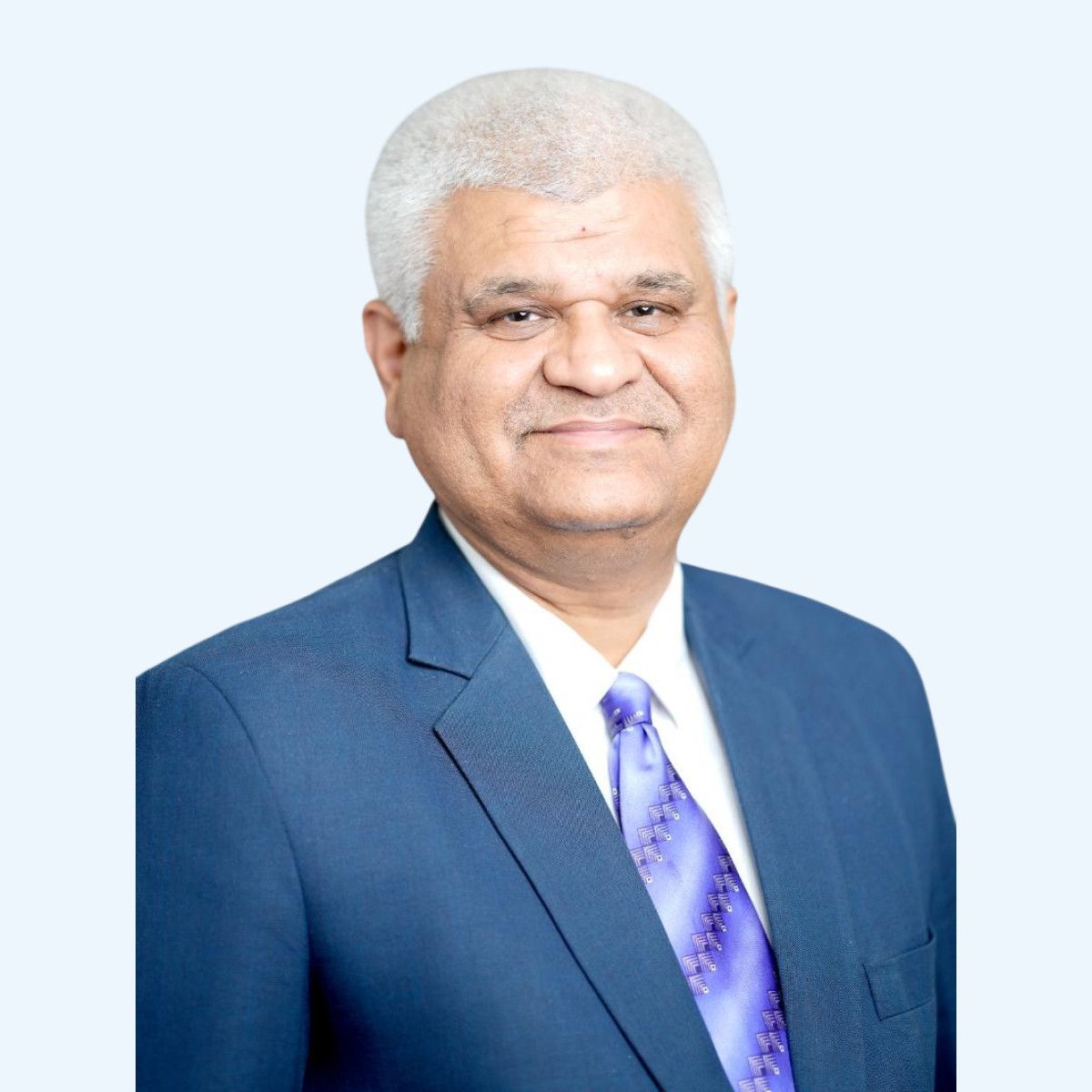



Building a Truly Indigenous Smartphone Brand: The Opportunity and Challenges of Designing & Manufacturing in India

Powering AI Across Scales with All Photonics Network

IMC Awards & Cultural Fest

Building Brands from India - What we’re getting right and what we need to Improve (Viksit Tech 47)





Enablers of Viksit Tech 47 - How to Shape the Future Ingredients of Viksit Bharat? (Viksit Tech 47)






AI-Native Telecom Networks: Intelligence, Automation and Accountability (GSMA)
The relationship between AI and telecom is becoming increasingly two-way: networks are enabling AI adoption while AI is transforming how networks are designed, operated and optimised. This session will examine the development of intelligent and increasingly autonomous telecom networks, including applications in automation, predictive maintenance, security, fraud detection and energy optimisation. It will also explore the role of telecom infrastructure within the broader AI ecosystem and the network, investment and policy requirements for building secure, resilient and AI-ready infrastructure.




From Trust to Performance: Unlocking Enterprise Value with Network APIs and the Role of Ecosystem Collaboration ( GSMA )
As digital services become increasingly critical to businesses and consumers, enterprises are looking for new ways to deliver secure, reliable and high-performing experiences. Network APIs are helping bridge this gap by making unique mobile network capabilities accessible to developers, technology providers and enterprises. The first wave of adoption has focused on trust, with capabilities such as Number Verification and SIM Swap helping organisations reduce fraud, strengthen authentication and protect customer interactions. The next wave extends beyond trust to performance, enabling enterprises to access network intelligence and assured connectivity through capabilities such as Quality on Demand (QoD) to support business-critical applications and digital experiences. This session brings together leaders from Tata Elxsi, Google Cloud, Bharti Airtel and Vonage to explore how network APIs are creating value across industries. Drawing on insights from the GSMA Fusion programme, the discussion will examine how capabilities such as Quality on Demand can help enterprises enhance application performance, improve customer experiences and unlock new digital services. The session will also highlight the critical role of ecosystem collaboration in accelerating adoption and translating programmable network capabilities into real-world business outcomes.






GSMA Intelligence - Monetising AI: Tapping Indian Innovation
The pace of AI adoption has been breathtaking across nearly every industry. Mobile operators have been at the forefront and the impact in terms of operational efficiencies and customer care has been impressive. With AI now entrenched in their operations, operators are increasingly asking an important question, how will they make money from AI. With a world-leading software industry and world-class 5G networks, the Indian ecosystem is in a position to answer this question. Join GSMA Intelligence and leaders from across the Indian mobile ecosystem to understand - Where are operators investing in AI, and how this has changed the last 12 months. How are operators around the world monetising their AI investments. What Indian enterprises really expect from operators on AI. Where is the Indian ecosystem leading, and what can it teach us.



State IT min & sec Meeting

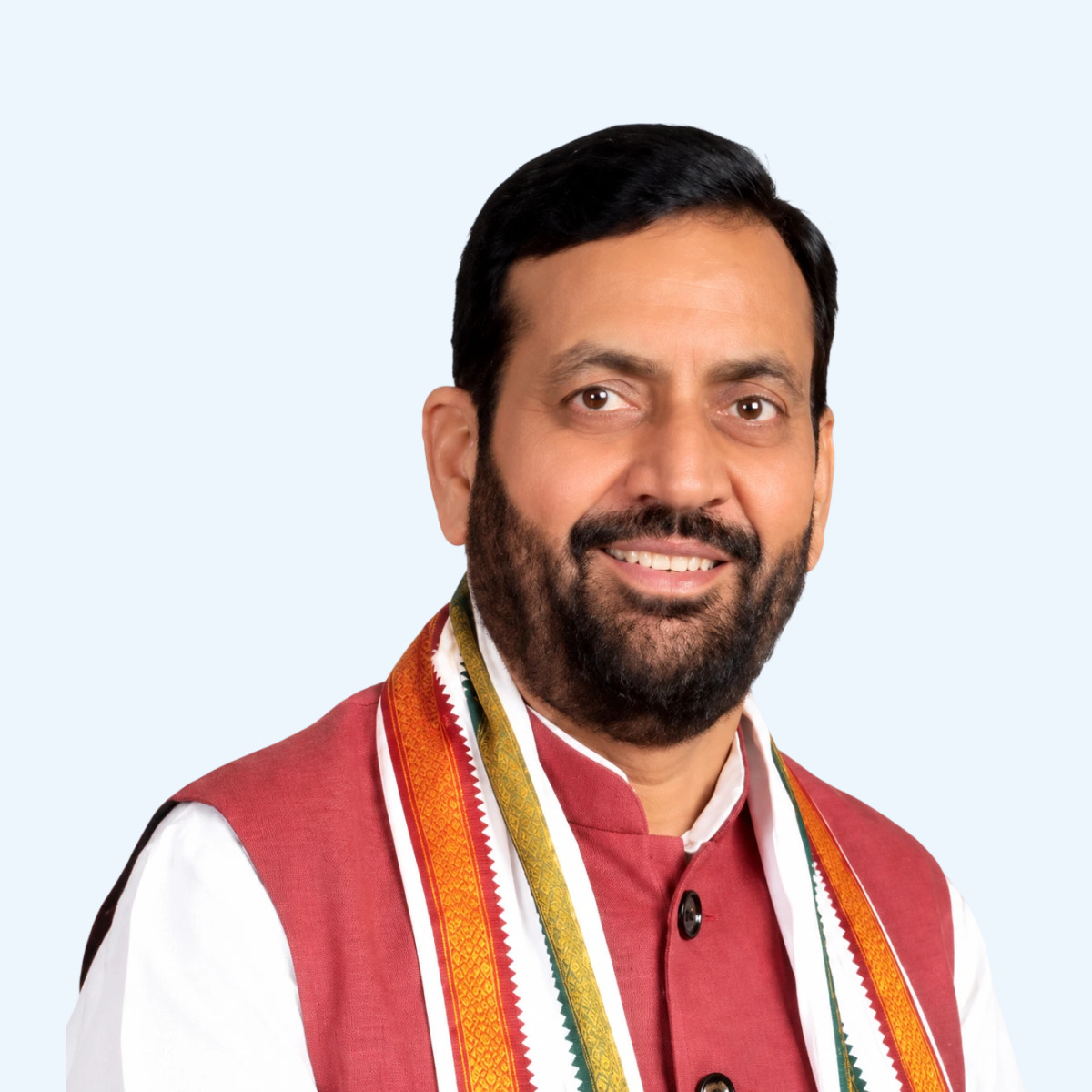
Driving Business Agility through Network as a Service
Network as a Service is reshaping enterprise connectivity by enabling bandwidth, performance and network configurations to be consumed and adjusted with greater flexibility. This session will explore how operators, hyperscalers, technology providers and integrators can build scalable NaaS models that combine programmable connectivity with simple procurement, predictable service levels, transparent pricing and seamless cloud integration. The discussion will also examine the role of private networks and network slicing, alongside the operating, commercial and partnership models needed to deliver cloud-like network experiences.





Global Alliance Session: Leveraging Ecosystems for 6G Innovation (International 6G Symposium)







Global Industry & Vertical Session I: Transforming Industries Through 6G




Global Industry & Vertical Session II: Unlocking the Potential of 6G







Valedictory Session: Global Roadmap Towards IMT-2030 and Beyond (International 6G Symposium)

AI for Good Summit (ITU)









Securing the Telecom Network Core
The transition to cloud-native 5G cores, software-defined infrastructure, open APIs and edge environments is expanding the telecom attack surface and creating new security dependencies. This session will examine how operators can strengthen security across network functions, workloads, APIs, slices, signalling, interconnects and supply chains through identity, authorisation, segmentation, continuous monitoring and operational response. The discussion will focus on protecting complex multi-vendor environments while maintaining service availability and supporting continued network innovation.








Responsible AI for a Scalable Digital Future
As AI governance moves from broad principles towards practical implementation, organisations and governments are navigating how to balance innovation with accountability, security, transparency and human oversight. This session will explore emerging approaches spanning legislation, sector regulation, technical standards and organisational controls, with particular relevance to AI-enabled telecom infrastructure. The discussion will also consider the requirements of governing AI at population scale, including inclusion, accessibility, digital literacy and the diverse needs of users across the Global South.







CyberSec Telecom India : Where Security Meets the Future





AI-Native Telecom Security: Telecom Network Defence against Emerging AI based Cybersecurity Threat Landscape





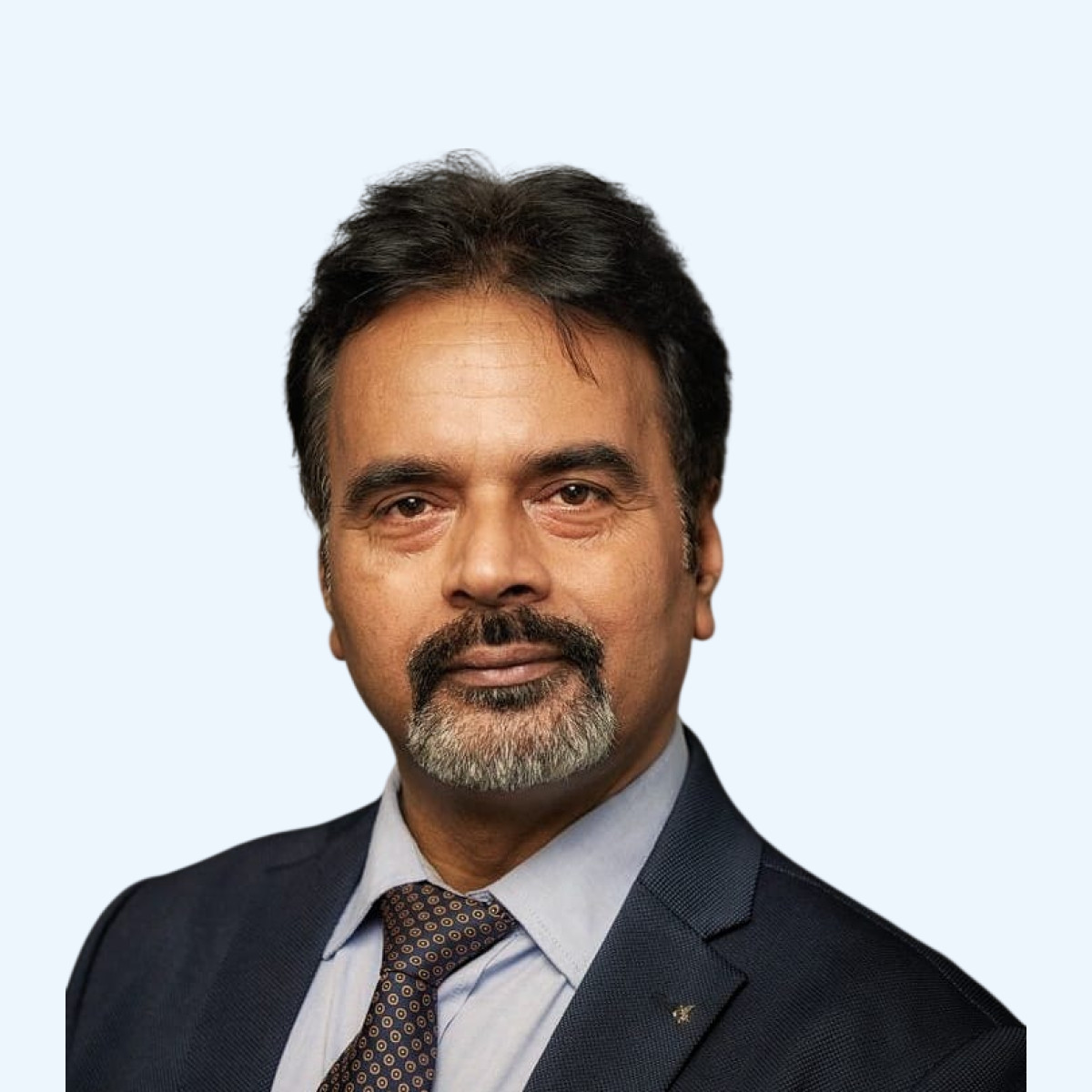

Securing the Telecom Supply Chain: Indigenous Capacity, Patch & Backdoor Risks, and Trusted Sandbox Validation






Connected for Safety: Strengthening India’s Digital Safety Ecosystem
India’s digital safety landscape is becoming increasingly interconnected, with risks often moving across platforms, communication channels and institutional boundaries. At the same time, public authorities, telecom providers, technology platforms, financial institutions, civil society and support services are developing a growing range of capabilities across prevention, detection, response and redress. Against this backdrop, this panel will explore how these capabilities can work together more effectively. The discussion will focus on strengthening collaboration across the ecosystem, connecting reporting and support pathways, and ensuring that digital safety approaches remain responsive to emerging risks while preserving user agency, privacy and access.





Cyber Security Summit Valedictory


From Telecom Resilience to AI Factories: Rediscovering DC Power and the Convergence of Networks & Compute


Digital Defence Games
Building Digital Foundations for our Future: the UK as a Partner for Innovation and Trade in Telecoms
Hear from Professor Julia Sutcliffe, Chief Scientific Adviser at the UK Department for Business, Innovation, Science and Trade, on the opportunities for deeper UK-India collaboration in advanced connectivity and digital technologies. The session will explore how partnership, innovation and international cooperation can support future growth, resilience and prosperity, while strengthening ties between the UK's and India's technology ecosystems.

Building Intelligent Networks: Innovations Driving the 5G Advanced and 6G Era
AI for Good Summit (ITU)




AI vs AI : Navigating the next Cybersecurity Shift
Artificial intelligence is reshaping both cyberattacks and cyber defence, enabling faster reconnaissance, social engineering, vulnerability discovery, threat detection and automated response. This session will explore the emerging AI-versus-AI security environment, with particular focus on agentic systems and their associated risks, including excessive privilege, prompt injection, data poisoning and unintended actions. The discussion will examine where autonomous defence can add value and what safeguards, controls and human accountability are required before consequential security decisions can be delegated to AI.





Startup World Cup India 2026
India’s Trusted IoT Stack: Building Secure, Scalable Connectivity for a Billion Devices
As connected devices expand across vehicles, industrial equipment, smart infrastructure and consumer applications, scaling IoT will require a secure, interoperable and resilient technology stack spanning connectivity, devices, silicon, platforms and applications. This session will bring together perspectives across the IoT ecosystem to explore reliable connectivity, security by design, device identity and lifecycle management, enterprise and industrial deployments, and the evolution from chip to cloud. The discussion will also examine the capabilities required to strengthen India’s position as a global IoT hub.





Press Conference
Protecting the Digital Generation: Building Trust in a Safer Online Ecosystem (GSMA)
As digital services become increasingly embedded in everyday life, building trust requires stronger protections against scams, fraud, harmful content, cyberbullying, impersonation and online exploitation, particularly for vulnerable and less digitally literate users. This session will explore practical approaches including safety-by-design, safer defaults, privacy-preserving age assurance, accessible reporting and redress, digital literacy and parental controls. The discussion will also examine how platforms, operators, governments, financial institutions and civil society can share responsibility for a safer and more trusted online environment.



Securing the Subsea Connectivity Future
Subsea cables form a critical foundation for global cloud services, digital trade and international communications, making resilience an end-to-end infrastructure challenge. This session will examine how route diversity, landing-station resilience, alternative backhaul, repair readiness and coordinated restoration can strengthen subsea connectivity. The discussion will bring together perspectives on infrastructure investment, operational preparedness and cross-border coordination, while considering how governments, operators, cloud providers and investors can better prepare for major connectivity disruptions.

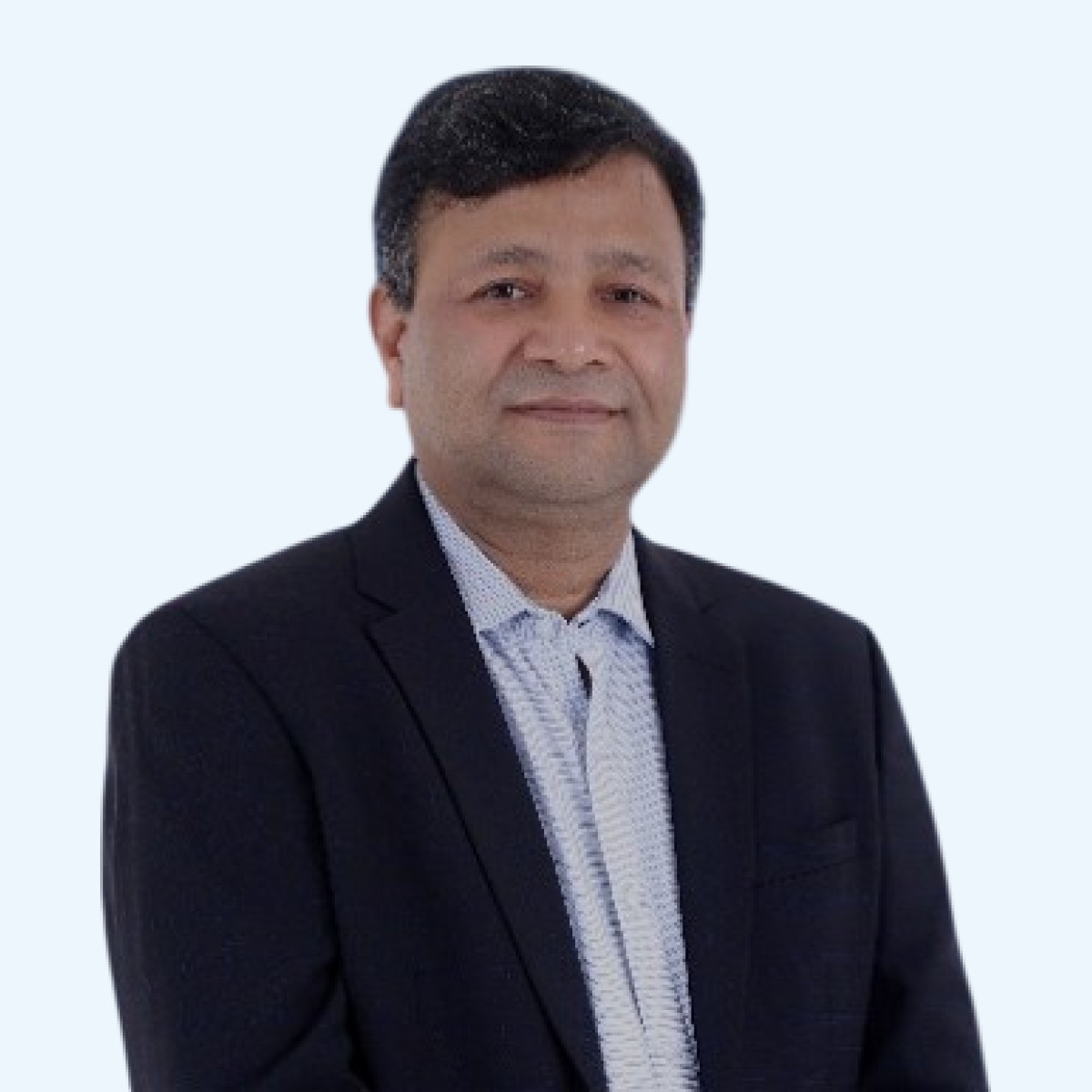
Silicon to Sovereignty: The Power Behind the Chip
The rapid expansion of AI and intelligent networks is increasing the strategic importance of secure access to semiconductors and compute capacity. This session will examine the critical constraints emerging across chip fabrication, advanced packaging, memory, materials and energy, while exploring how countries can build greater resilience through semiconductor design, packaging, mature-node manufacturing and diversified global partnerships. The discussion will focus on the practical dimensions of compute resilience and the capabilities required to participate more deeply in the global AI-chip ecosystem.



From Connectivity to Digital Infrastructure: India's Third Telecom Phase (GSMA)
India’s next phase of telecom development is centred on the evolution from connectivity infrastructure towards a broader digital infrastructure role supporting AI, cloud services, enterprise productivity, secure transactions and digital public infrastructure. This session will examine how policy, investment and innovation can enable that transition, while considering how the contribution of telecom can be measured through productivity, resilience, competitiveness and economic value. The discussion will also explore opportunities for India to strengthen its role as a producer of trusted digital infrastructure and services.



Connectivity to Capability – Transforming Telecom Talent Through Skilling




Managing Economics of AI Networks
The expansion of AI infrastructure is creating significant requirements for capital across chips, data centres, power and connectivity, bringing new questions around utilisation, technology cycles, financing structures and long-term risk. This session will explore how the AI infrastructure build-out is being financed, how investment risks can be allocated and how public-private mechanisms can support infrastructure growth in emerging markets. The discussion will also consider how capital can reach markets where digital demand is growing but financing constraints remain significant.





Integrating the Network API Economy
Network APIs are transforming telecom networks into programmable platforms by exposing capabilities such as identity, location, quality of service and fraud prevention to developers and enterprises. This session will examine how operators can translate these capabilities into sustained developer adoption and new revenue streams, with particular focus on interoperability, developer experience, privacy, consent, commercial models and ecosystem partnerships. The discussion will explore what is required to move from early trust-oriented use cases towards a scalable network API economy.




Rethinking the Energy Future of Networks and Data Centres
Growing connectivity, AI workloads and data-centre capacity are placing greater pressure on the energy systems that support digital infrastructure. This session will explore how intelligent network management, dynamic power optimisation, renewable energy, battery storage, efficient equipment and advanced cooling can reduce operational energy consumption without compromising performance or resilience. The discussion will also focus on aligning infrastructure growth with energy planning and establishing meaningful measures for evaluating the operational and financial impact of efficiency investments.



Global Use Cases, Industry Transformation & Partnerships (International 6G Symposium)


Implementing ITU Standards for Combating Fraudulent Communications
The ITU Roundtable will provide a platform for administrations, regulators, operators, vendors and other stakeholders to discuss the implementation of ITU standards for combating fraudulent communications through certificate-based CLI authentication and the need to launch a collaborative PoC initiative.All interested stakeholders are encouraged to join.













Shaping Sustainable Growth: ESG priorities for the Telecom and Telecom-Adjacent Ecosystem
Sustainability is becoming an increasingly important consideration for telecom and telecom-adjacent industries as expectations around energy transition, e-waste, circularity, supply-chain emissions, workforce diversity and responsible growth continue to evolve. This roundtable will examine the ESG priorities most relevant to the sector, the practical interventions companies can pursue over the next 12–36 months, and the role of collective action across operators, equipment manufacturers, infrastructure providers and data centres. The discussion will focus on translating ESG priorities into measurable outcomes through 2030 and beyond.



Building Intelligent Networks: Innovations Driving the 5G Advanced and 6G Era
Robotics for Youth Challenge (Association)
The Robotics for Good Youth Challenge India is the prestigious Indian National Event of the Robotics for Good Youth Challenge, organized by the International Telecommunication Union (ITU) and IIT Delhi's I-Hub Foundation (IHFC), with support from India's Department of Telecommunications (DoT). Experience the excitement as Indian teams showcase their skills in the leading UN-based global robotics competition, focusing on the critical area of health emergencies. This National Event is a qualifying tournament leading to the Grand Finale in Geneva during the AI for Good Global Summit 2027. This global competition is open to any individual or team willing to design, build, and program a robot to address the proposed health emergencies challenge on the competition game board.
ITU Build-A-Thon AI Agents for 5G Communication Networks

Global Initiative on AI for Agri-Food Systems Meeting (ITU)



















Extra Mile for the Last Mile (CGCA)
Digital Defence Games
Day 1 (08 October 2025)
No Aspire events scheduled for this day.
Day 2 (09 October 2025)
No Aspire events scheduled for this day.
Day 3 (10 October 2025)
No Aspire events scheduled for this day.